Driving Fort William to Inverness (via Loch Ness)
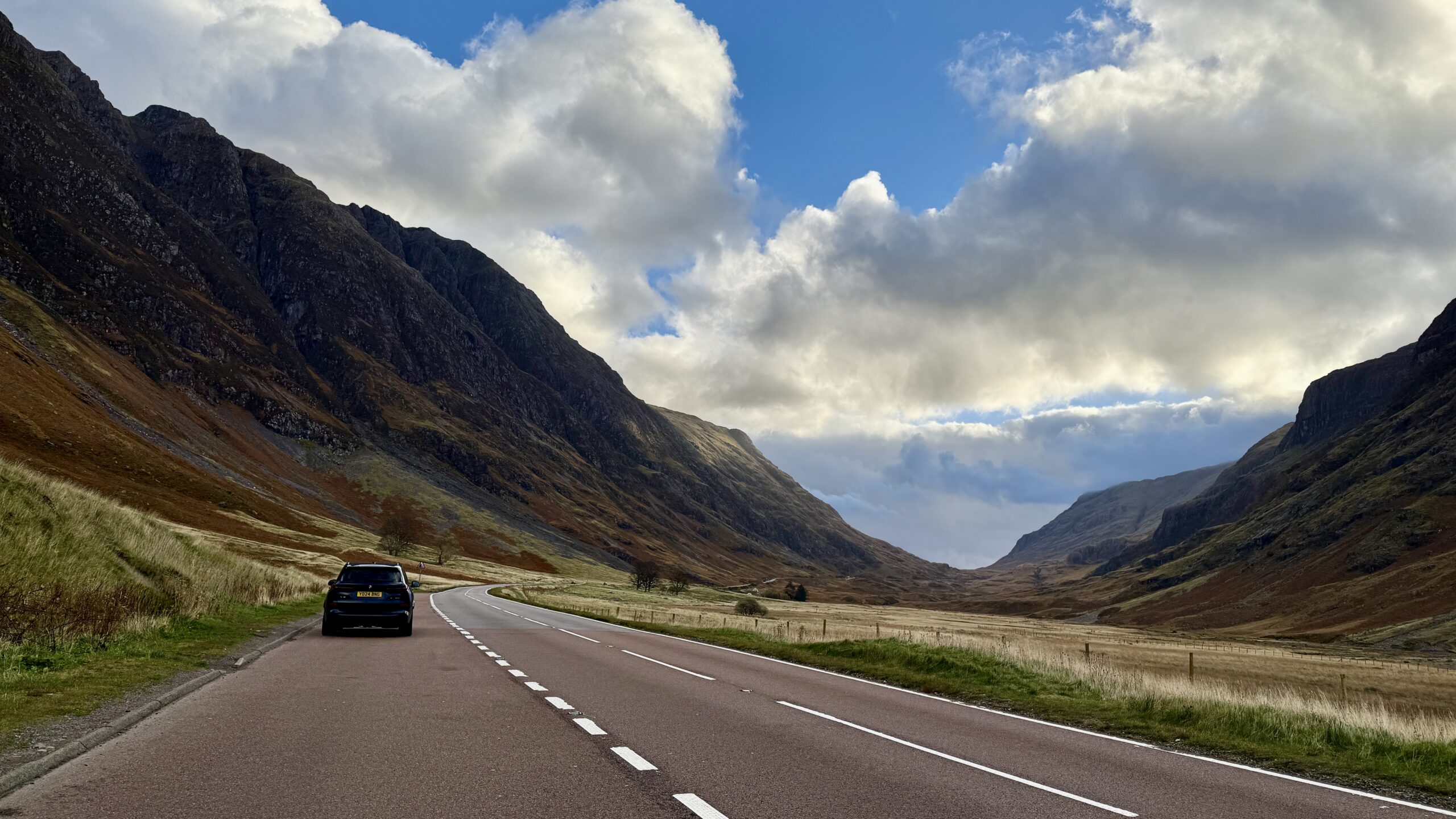
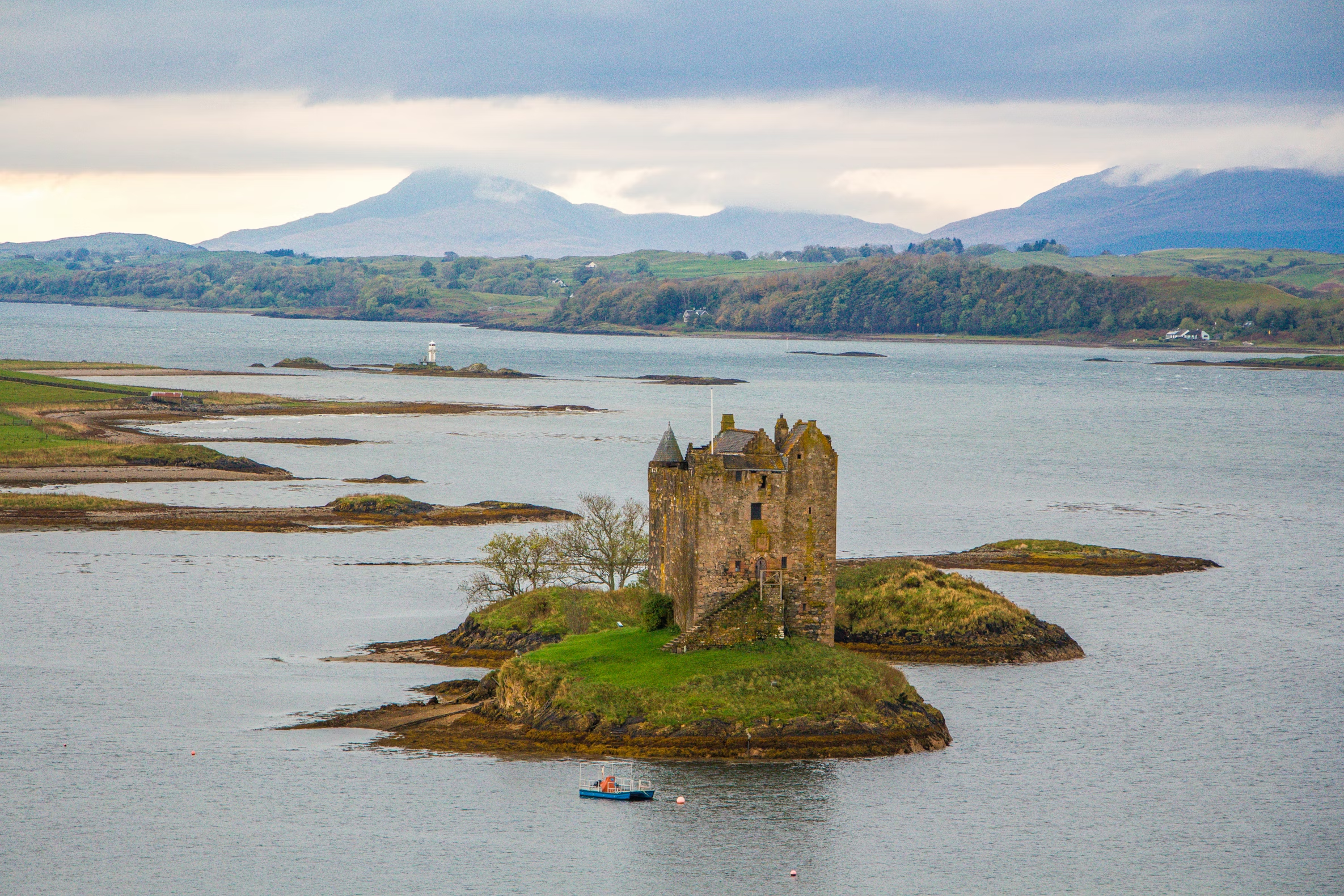
The A82 from Fort William to Inverness is the kind of drive that feels like Scotland is showing off on purpose: lochs on your doorstep, mountains in your mirror, and that long, cinematic glide along Loch Ness where you keep expecting a film crew to pop out from behind a pine tree.
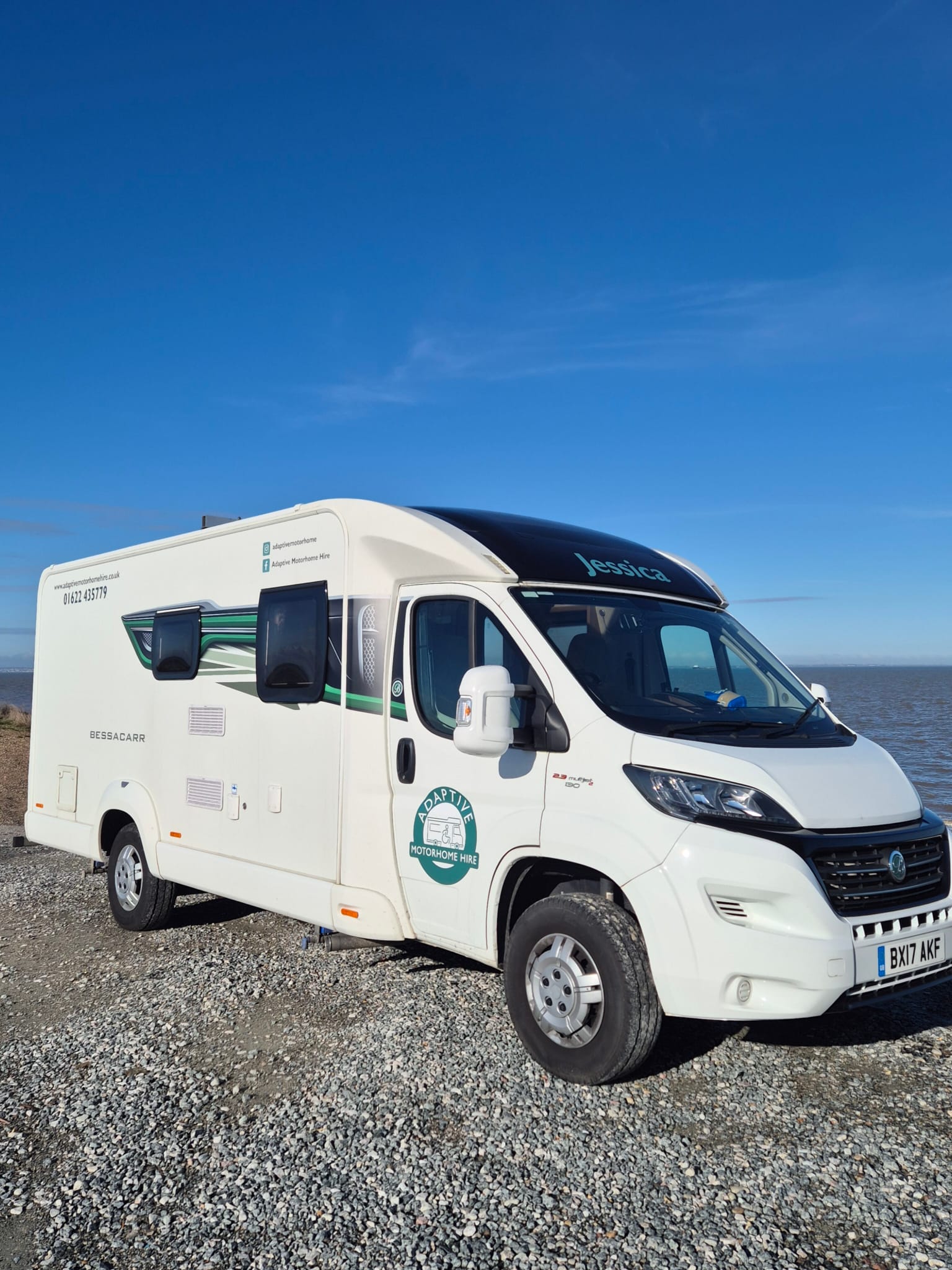
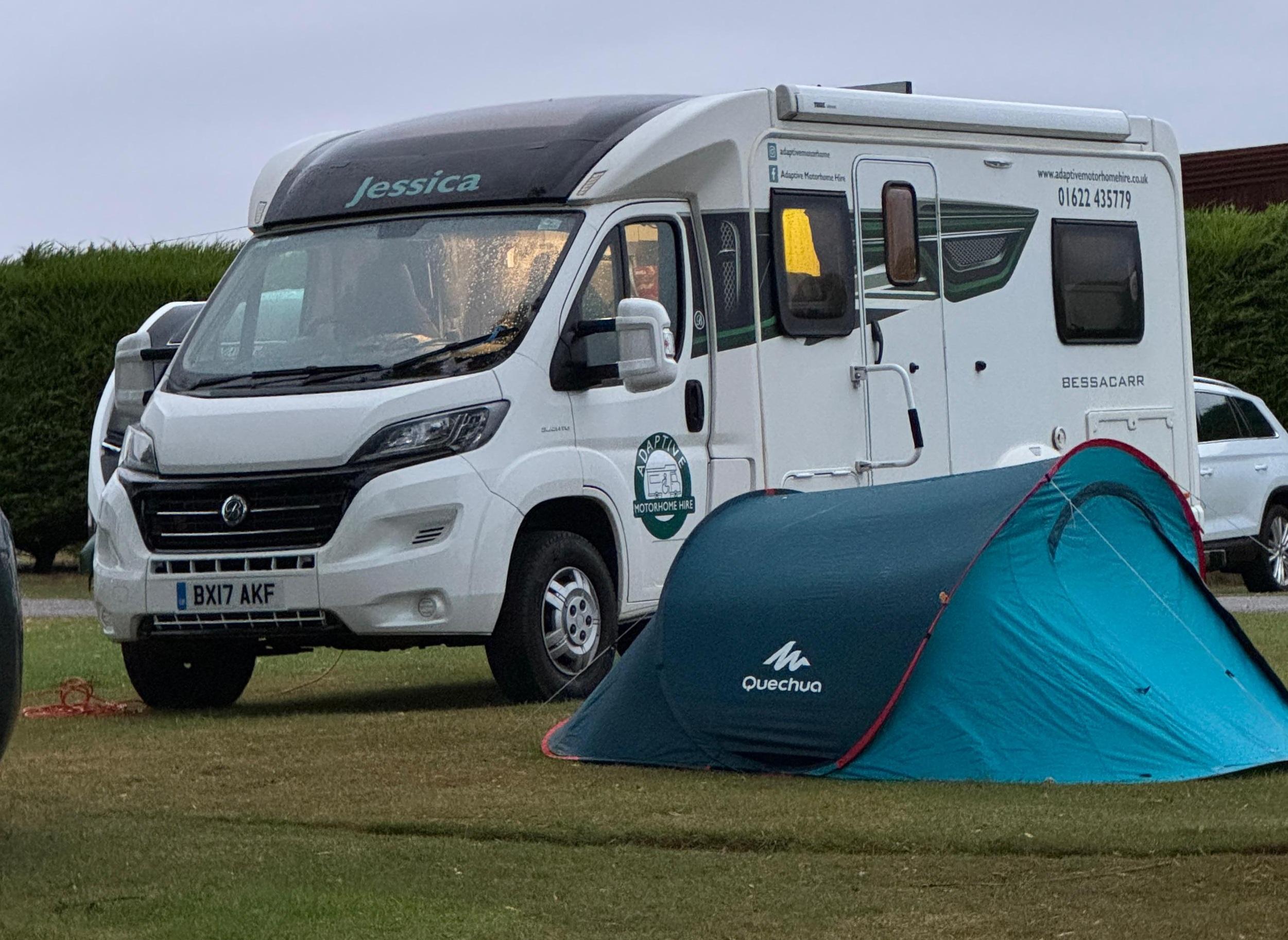
This guide is written for wheelchair users, Blue Badge holders, and disabled travellers, especially if you’re doing the journey in an adapted motorhome. Expect realistic pacing, reliable stop ideas, accessibility notes, and “please don’t do that detour” warnings that save energy (and sanity).

If you want a route that gives you big views without demanding big energy, this one delivers.
Accessible Route Summary
Route
Fort William → Fort Augustus → Inverness
Road type
A82 (Main Trunk Road) Wide enough for HGVs but busy. Watch mirrors on bends.
Distance / Time
66 miles Allow 2.5–3 hours in a large vehicle (without stops).
Key accessible attraction
The Loch Ness Centre Full disabled access for tours + accessible toilets.
Accessible travel notes
- Pacing tip: Treat the route as "mini chapters" rather than one long push.
- Busy road reality: The A82 is used by coaches and logging trucks. Build in patience for passing places.
- Midgies: Warm, still weather (especially dawn/dusk) is peak midge time. Breezy stops are kinder.
- Motorhome caution: Urquhart Castle has steep gradients; manual wheelchair users may need assistance (or a power attachment).
Why Fort William → Inverness is a brilliant accessible road trip
This route works well for disabled travellers because the “wow” factor is built into the drive itself. You can get a full Highlands experience from the vehicle, then choose optional stops based on energy, pain levels, and weather on the day.
It also follows the Great Glen, which means you’re rarely far from villages, canal-side facilities, and practical reset points. The A82 is one of Scotland’s principal north–south routes, connecting Fort William, Fort Augustus, and Inverness.
Best time of year for this route
Autumn: warm colours, cooler air, calmer laybys
Autumn is the best all-rounder for accessible travel. You’re more likely to get breathing room at stops (less coach-tour clustering), and the cooler air can be kinder if you deal with swelling, fatigue, or temperature regulation.
Spring and summer: long light, more traffic
Spring/summer gives you long daylight hours, but expect the A82 to feel busier. The practical trick: start earlier than you think (before 9 am), plan “proper” stops with toilets, and keep the random roadside pull-ins as bonus moments rather than your main plan.
Winter: dramatic, but check conditions
Winter can be stunning, but it’s the season where Traffic Scotland becomes your best friend. Snow gates can close on high ground, so always check for disruption before you commit.
Stop-by-stop: accessible highlights on the way
Stop 1: Spean Bridge (easy stop, big views)
The Commando Memorial
Just north of Spean Bridge, the Commando Memorial is one of the most rewarding “minimal energy, maximum view” stops on the route. It’s close to the road, has a large car park suitable for motorhomes, and the paved path to the monument is generally flat.

Accessibility note: It’s an exposed spot. If the wind is howling, you can get a perfect photo from the warmth of the cab without even getting out.
Stop 2: Loch Lochy (the “drive slow and stare” stretch)
After Spean Bridge, the A82 runs beside Loch Lochy. It’s a gorgeous section for motorhome travel because it’s scenic even when you don’t stop. Don’t feel pressured into every layby; pick one good stop and let the rest be “window scenery”.

Stop 3: Fort Augustus (toilets, food, and the canal locks)
Fort Augustus is the classic Loch Ness gateway. It’s practical (shops, cafés, facilities) and visually satisfying thanks to the Caledonian Canal locks running right through the village.
Caledonian Canal Centre + locks
The locks are brilliant for accessible travel because the paths are firm and level. You can get a proper rest while watching boats rise and fall like a slow-motion theatre show.
Motorhome Parking Tip: The main car park is central but busy. Scottish Canals operates a "Stay the Night" scheme here, but note that length restrictions often apply (usually max 8m). If you have a large adapted tag-axle RV, verify space before banking on an overnight here.
Stop 4: Drumnadrochit (Loch Ness “main character” stop)
The Loch Ness Centre
If you want a Loch Ness stop that feels engaging but still manageable, The Loch Ness Centre in Drumnadrochit is a solid pick. It states that wheelchair users can access all areas used for the tour, and that accessible toilets are available.
Urquhart Castle (The accessibility reality check)
Urquhart Castle is iconic, but it is built on a slope. While the visitor centre and toilets are fully accessible:
- The Warning: The path down to the ruins is steep (approx 1:20 gradient). Getting down is easy; pushing back up in a manual wheelchair is a serious workout.
- The Solution: Historic Environment Scotland sometimes offers a vehicle service to ferry visitors with mobility issues up and down the hill. Call ahead to check if this is running.

Stop 5: Inverness (a gentler finish line)
Inverness is your practical reset: supermarkets, pharmacies, accessible hotels, and a calmer “city break” vibe after the Highlands. It’s also a good place to pause overnight and decide whether you want more lochs, more coast, or just a nap with a view.
Motorhome-friendly overnight ideas
Overnight options change frequently, so here’s the safest approach: choose places with clear motorhome policies and facilities that match your access needs.
1) Campsites around Loch Ness
There are established campsite options around Fort Augustus and Loch Ness. The Camping and Caravanning Club site at Loch Ness Shores (near Foyers) is highly rated for accessibility (wet rooms, level pitches), though it requires a detour to the quieter side of the loch.
2) Official canal/motorhome stopovers
Scottish Canals publish official guidance on motorhome transit stopovers. This is useful for a straightforward “arrive, sleep, continue” night. Reminder: Check the vehicle length limit (often 8m) if driving a large adapted unit.
Driving notes: what to watch for on the A82
It’s scenic… and it’s a working road
The A82 is a key route for locals, coaches, and HGV traffic. It is a two-lane road, but sections along Loch Ness can feel narrow when meeting a large coach coming the other way.
The Mirror Rule: If you are driving a wide adapted motorhome, watch your wing mirrors on the bends. It is often safer to hug the white line than to get too close to the rock face or verge.
The "Frustration Train"
If you notice a queue of 5+ cars behind you, don't stress. Just wait for a clear, safe layby and pull in to let them pass. You get a break; they get to speed. Everyone wins.
Accessible planning resources
Traffic Scotland: live updates, closures, disruption
https://trafficscotland.org/
Changing Places: Changing Places toilet map
https://www.changing-places.org/find
AccessAble: detailed accessibility guides (including some Loch Ness venues)
https://www.accessable.co.uk/
The Loch Ness Centre (accessibility info):
https://lochness.com/accessibility/
Scottish Canals: motorhome stopovers and canal facility access info
https://www.scottishcanals.co.uk/staythenight
Why this route is perfect for an adapted motorhome journey
This drive is a perfect match for adapted motorhome travel because it gives you control. You can stop often without turning the day into an exhausting hike, use your motorhome as your calm base between viewpoints, and choose attractions that offer structure and facilities.
If you do it right, you arrive in Inverness feeling like you’ve actually experienced the Highlands… not just survived them.