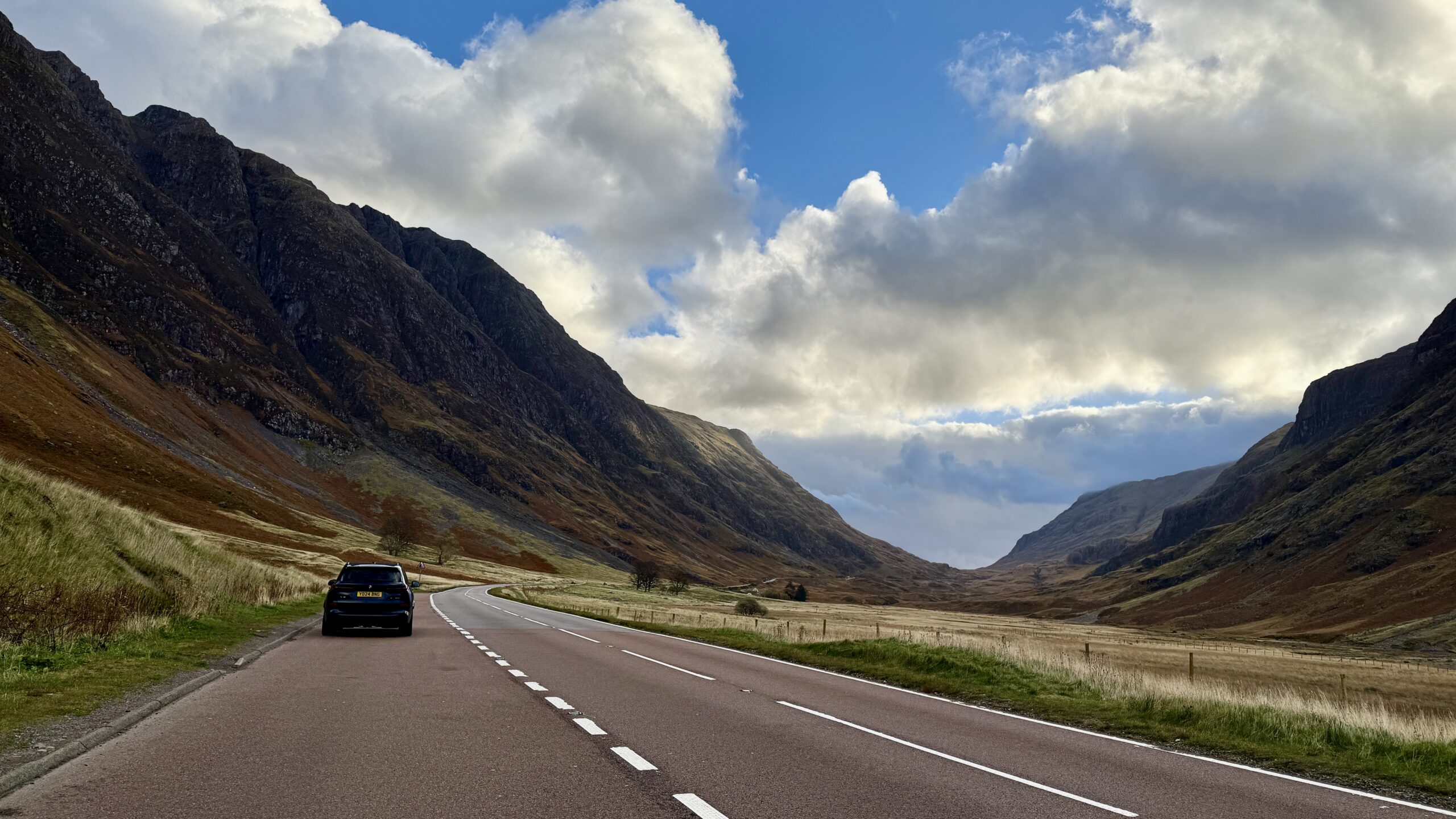
Driving Glencoe to Fort William
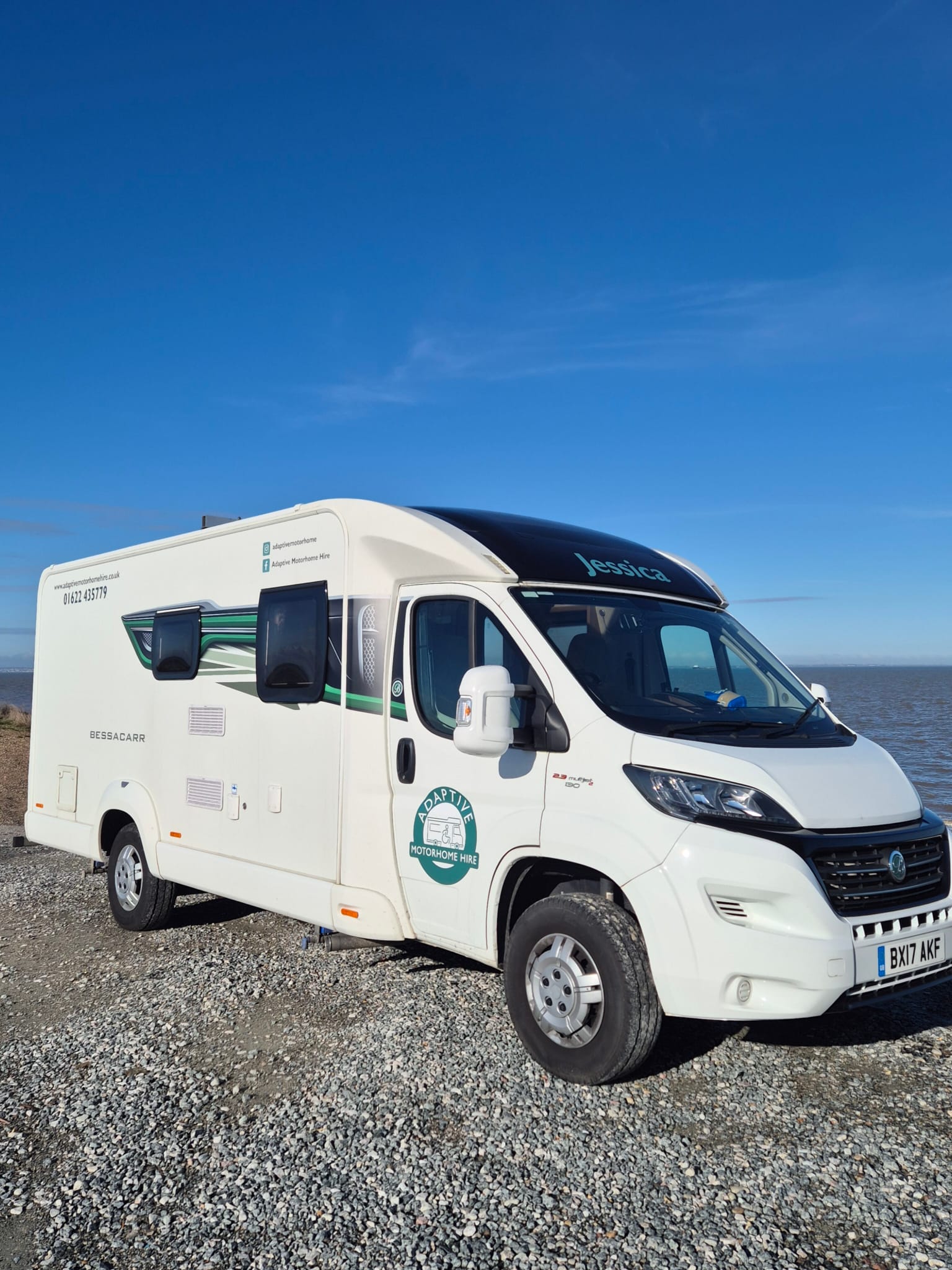
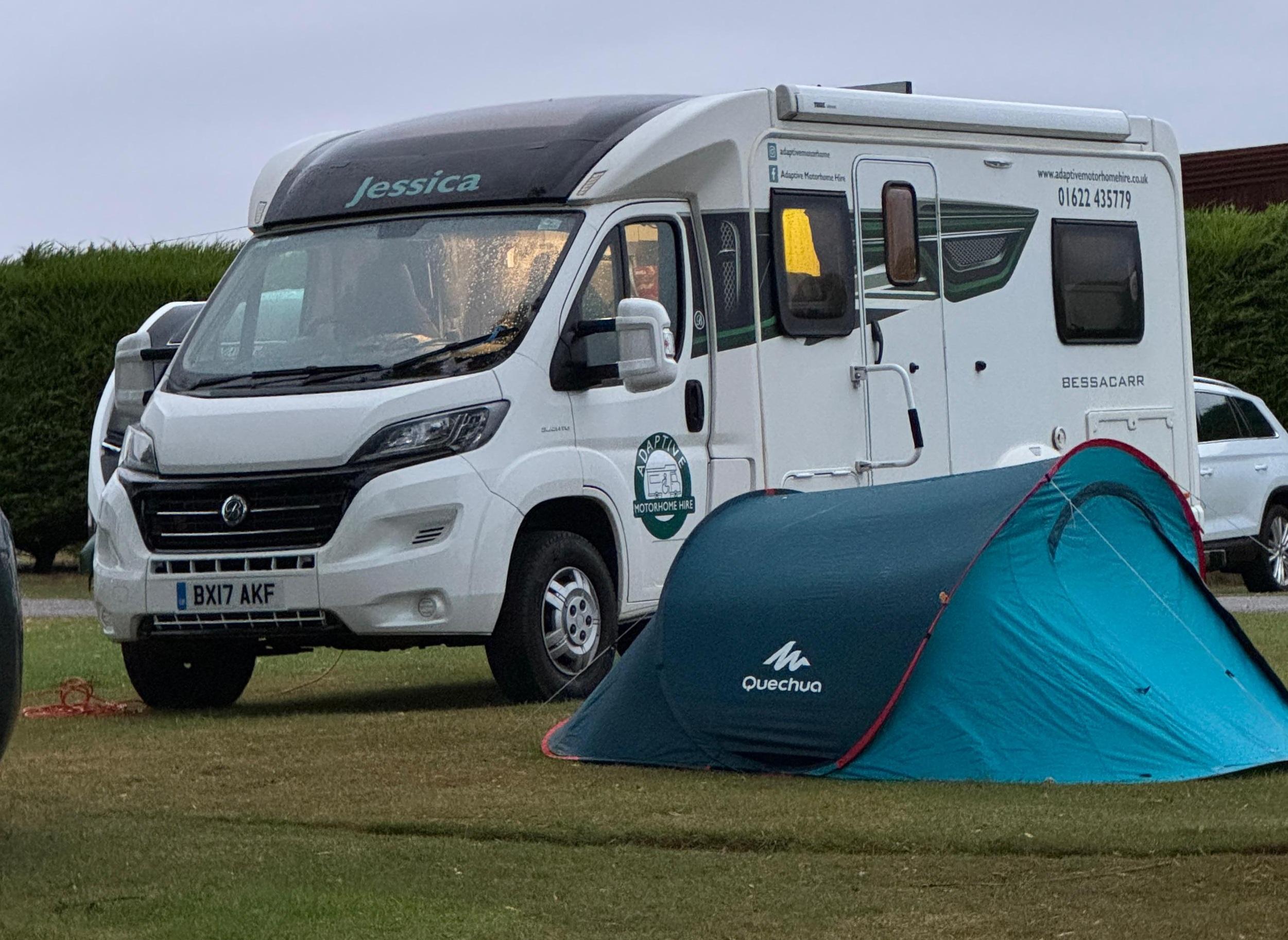
The A82 through Rannoch Moor and Glencoe to Fort William is one of Scotland’s most iconic drives, and it’s also one of the most realistic scenic road trips for wheelchair users, Blue Badge holders, and disabled travellers, especially if you’re travelling in an adapted motorhome.
This guide is written for the way accessible travel actually works in real life: pacing your energy, knowing where the reliable toilet stops are, planning for weather, and avoiding the stressful detours that look great on Instagram but don’t always work with a wheelchair or larger vehicle.

If you want a route that feels wild and free without being a constant obstacle course, this is it.
Accessible Route Summary
Route
Tyndrum → Glencoe → Fort William
Road type
A82 (Main Trunk Road) Generally straightforward, but watch for soft verges.
Best seasons
Autumn (Colour & Calm) Summer offers long days but higher traffic volume.
Key accessible stop
The Green Welly Stop (Tyndrum) Has a Changing Places toilet & step-free access.
Accessible travel notes
- Pacing tip: Plan shorter, frequent stops to manage fatigue and pain levels.
- Peak season: Expect heavy traffic. If safe, pull into a layby to let faster locals pass.
- Midgies: Most active at dawn/dusk in still weather. Breezy spots are your friend.
- Motorhome caution: Avoid narrow detours (like Glen Etive) unless you are confident reversing a large vehicle.
Why this is one of Scotland’s best road trips for wheelchair users
Glencoe is famous for its dramatic mountains and cinematic atmosphere, but what makes this route truly special for disabled travellers is that you can experience the majority of it without long walks, uneven paths, or inaccessible detours.
The A82 is a primary route, so it tends to be more straightforward than many Highland “hidden gem” roads. That means:
- You can enjoy the views from the vehicle (perfect on lower-energy days)
- You have frequent stopping places where you can pause, adjust seating, eat, hydrate, or manage comfort
- You can plan around reliable facilities rather than hoping a random café has step-free access
Best time of year to drive Glencoe for colour, comfort, and accessibility
Autumn: the “accessible sweet spot”
If you want the Highlands looking their best while keeping the journey calmer, autumn is your winner. You’ll often get:
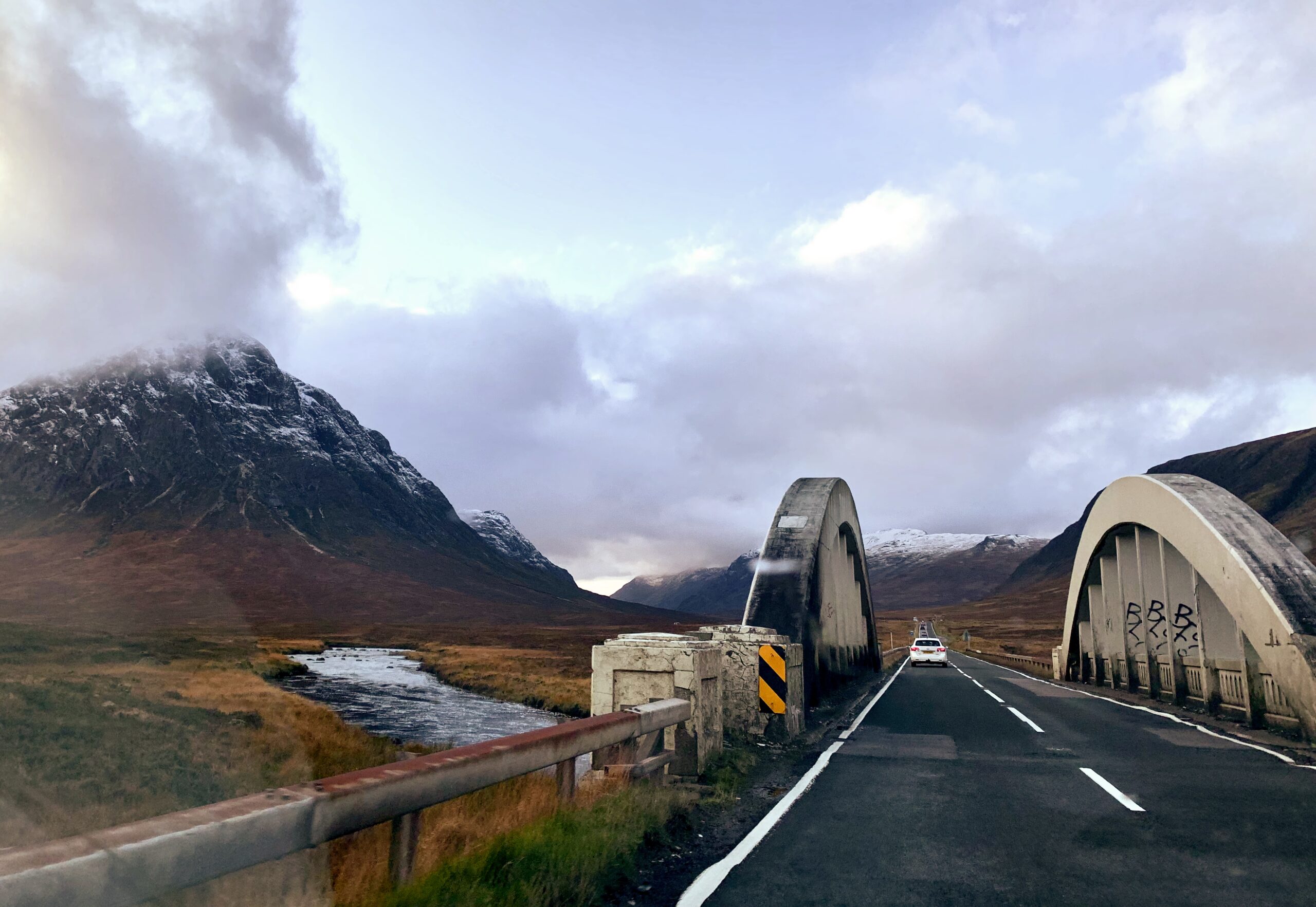
- Beautiful colour across moorland and glens
- Cooler temperatures (helpful for pain, swelling, and fatigue)
- Fewer midgies
- Less pressure at viewpoints and laybys
Spring and summer: long days, but plan for midgies and crowds
Late spring and summer bring long daylight hours and lush scenery, but this is peak season on the A82. Expect:
- Busy traffic, especially during school holidays
- Coach tours and sudden stops for photos
- More difficulty finding parking spaces for larger vehicles
- Midgies (especially near water at dawn and dusk)
Winter: jaw-dropping views, but check conditions
Winter Glencoe can be incredible, but weather changes quickly. For wheelchair users and adapted motorhomes, it’s important to check live updates and allow extra time. Use Traffic Scotland before you travel and again on the morning of your drive.
Accessible stop-by-stop guide: Tyndrum to Fort William
Stop 1: Tyndrum (your reliable accessible reset point)
The Green Welly Stop
If you only plan one guaranteed “reset stop”, make it the Green Welly Stop in Tyndrum. For disabled travellers, this is a gold-standard kind of stop because it’s designed for volume, comfort, and accessibility.

Why it’s perfect for wheelchair users and Blue Badge travellers:
- Changing Places toilet facility (ideal for complex care needs)
- Step-free access and a structured layout
- Food, drinks, and seating for a proper break
- Space to reorganise supplies, meds, cushions, and comfort kit
This is the type of stop that makes the whole journey feel possible, not precarious.
Stop 2: Loch Tulla / Bridge of Orchy area (low-effort views)
As you leave Tyndrum, the scenery opens up and you’ll start getting “pull-in-and-breathe” moments. This stretch is ideal because you can enjoy huge views without committing to an outdoor trek.
Accessible travel tip: If energy is limited, aim for quick, frequent “lookouts” rather than one long stop that drains you.
Stop 3: Rannoch Moor (the wide-open Highlands)
Rannoch Moor feels wild, spacious, and almost otherworldly, but you stay on a main road. This is where adapted motorhome travel really shines.
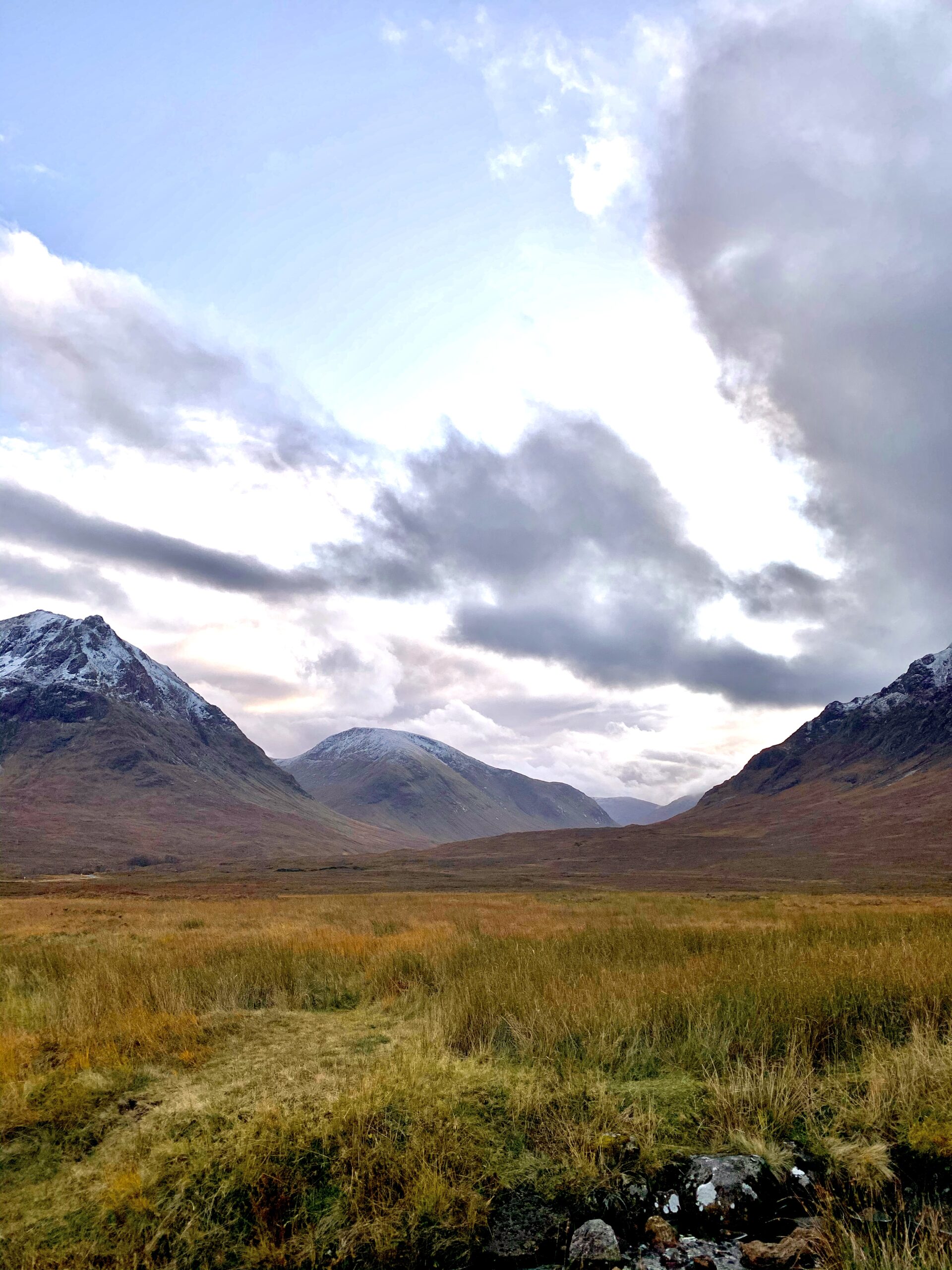
It’s perfect if you want the Highlands feeling without the stress of inaccessible terrain. Even a 2-minute stop to take in the view from the window can shift the whole mood of the day.
Stop 4: Glencoe viewpoints (spectacular, but plan for peak-season chaos)
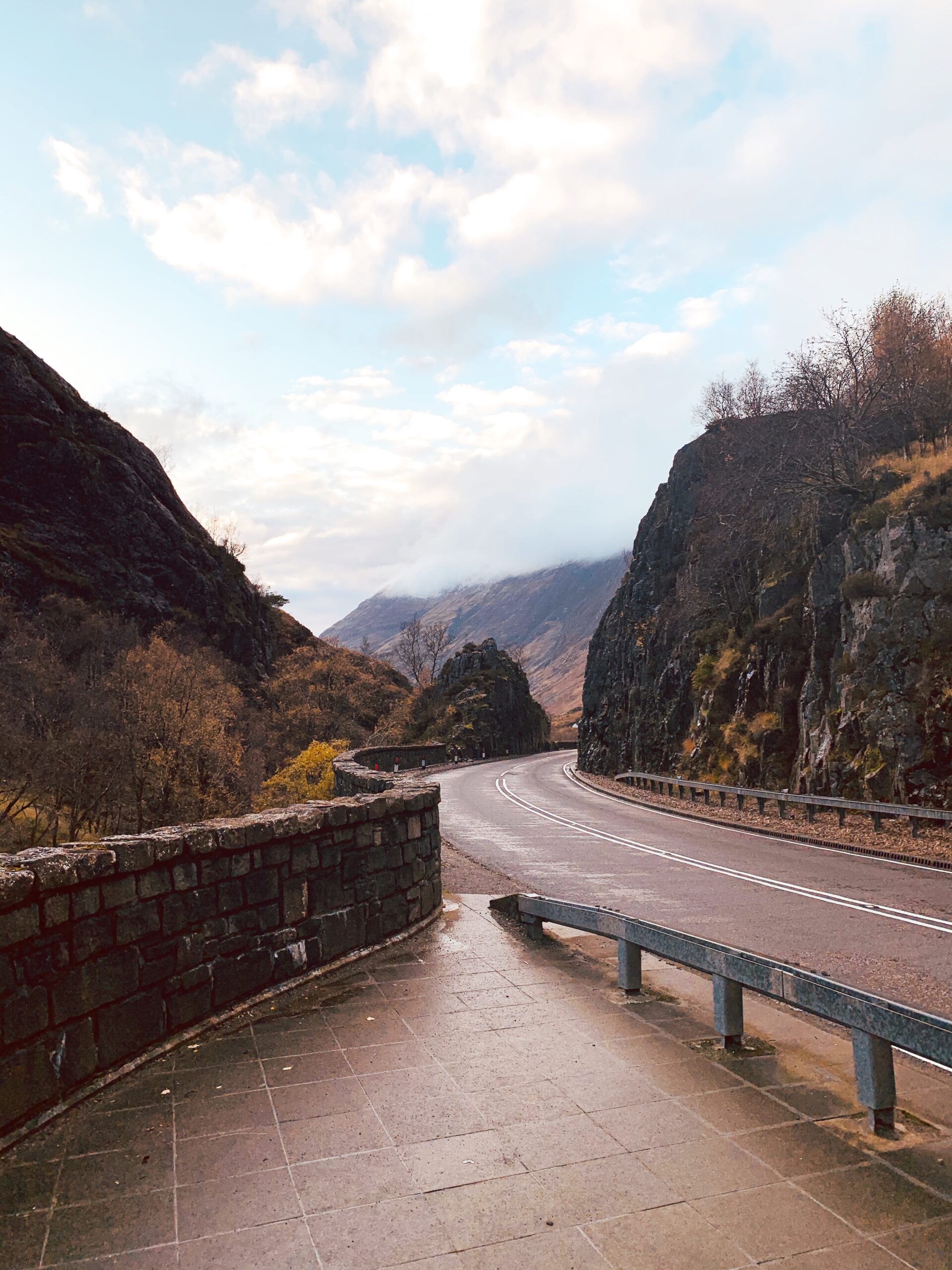
Once you enter Glencoe, viewpoints become frequent, and so do sudden stops from other road users. In peak season, expect slower traffic and packed laybys.
Driver note: let impatient drivers pass
Some local drivers use the A82 daily and will travel faster than tourists. If it’s safe, let them pass. It reduces pressure, keeps your drive calmer, and helps everyone share the road with less stress.
Motorhome caution: be careful with detours and soft verges
Avoid pulling onto soft ground, rocky edges, or narrow turn-offs unless you’re confident you can get back out comfortably. Wheelchair users also benefit from predictable surfaces when transferring in and out of the vehicle.
Stop 5: Glencoe Visitor Centre (structured facilities and a calmer break)
If you want a more structured stop than roadside laybys, the Glencoe Visitor Centre is a solid option. It’s a good place to use toilets, grab a drink, and pause somewhere that isn’t dependent on the weather.
Tip for accessible planning: Visitor centres are often your best bet for step-free access, reliable toilet facilities, and indoor recovery time.
A tempting detour: Glen Etive (“Skyfall road”) and why it’s not always accessible
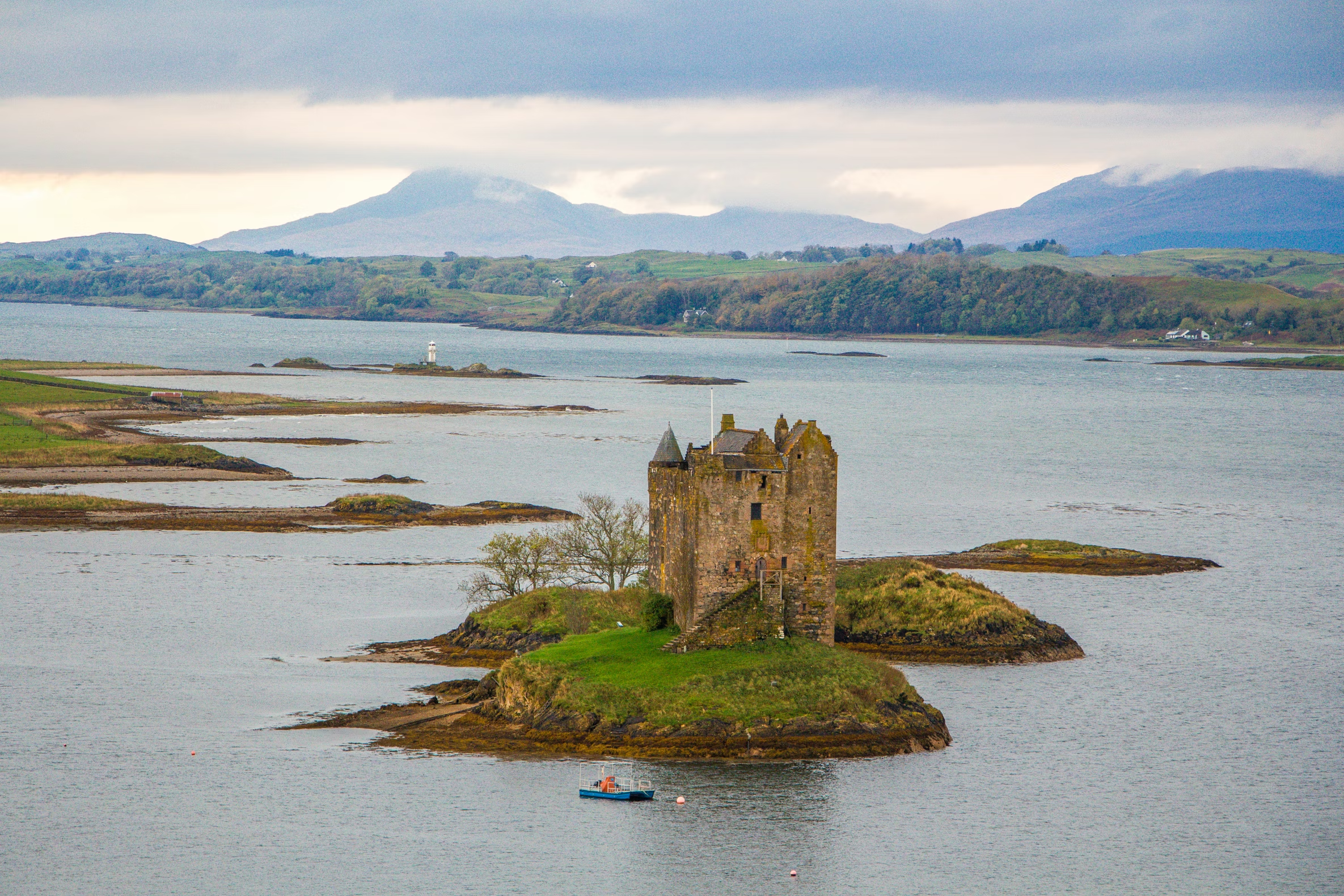
Glen Etive is stunning, but it’s a single-track dead-end road with passing places and limited facilities. For wheelchair users and adapted motorhomes, it can be:
- Stressful if you’re not confident reversing (you may have to reverse into passing places)
- Harder to find suitable, step-free stopping spots
- More difficult in wet weather or peak season
If you want to see it, consider driving part-way only and turning back before it becomes tiring. Accessible travel is allowed to be selective.
Fort William: a satisfying finish line (and a good base)
Arriving in Fort William feels like returning to civilisation with your camera full and your shoulders unclenched. It’s a practical base for:
- Stocking up on supplies
- Resting overnight before continuing
- Exploring further accessible Highland routes

If you’re travelling with fatigue or pain, build in recovery time here rather than pushing onward when your body’s already done the big bit.
What drivers should be aware of on this route
1) Peak season gets busy
Summer holidays can mean slow-moving traffic and limited parking spaces, especially for larger vehicles. Earlier starts tend to be calmer and more accessible.
2) Weather changes quickly
Glencoe weather is famous for being dramatic. Bring layers, keep hot drinks accessible, and plan stops that allow you to warm up and recover if conditions turn.
3) Midgies in spring and summer
Midgies thrive in warm, still conditions, especially at dawn and dusk. If you’re planning longer outdoor stops, aim for breezy locations or midday breaks.
4) Use passing places properly on any narrow detours
If you take single-track roads, passing places are essential for safe driving. Never park in them, and always be ready to let others through. If you’re in a bigger vehicle, choose detours carefully.
Accessibility research resources (plan with confidence)
Accessible travel is more enjoyable when you can verify facilities yourself. These resources are great for planning wheelchair-friendly road trips in Scotland:
Traffic Scotland: live roadworks, closures, and disruption updates
https://trafficscotland.org/
Changing Places: map of Changing Places toilets across the UK
https://www.changing-places.org/find
AccessAble: detailed accessibility guides for venues and facilities
https://www.accessable.co.uk/
National Trust for Scotland: helpful for visitor centres and managed sites
https://www.nts.org.uk/
VisitScotland: broader travel planning and practical info
https://www.visitscotland.com/
Why this route is perfect for an adapted motorhome journey
This drive works because it balances freedom with realism. You get world-class scenery without being forced into inaccessible terrain or exhausting detours, and you can shape the day around comfort and dignity.
For wheelchair users and disabled travellers, Glencoe proves something important: accessible travel doesn’t reduce the magic. It simply changes the rhythm.